
TA-50 Gear Lockers: History, Specs, and Procurement Standards
The Backbone of Readiness: A Procurement Specialist’s Guide to TA-50 Gear Lockers
In the high-stakes world of government procurement and military logistics, certain items are often overlooked – until they fail.
With over 36 years in GSA government procurement, I’ve learned that the TA50 Gear Locker is much more than mere ‘furniture.’ It’s a mission-essential piece of infrastructure that serves as the foundation for personnel accountability and long-term readiness.
What does “TA-50” Actually Mean?
To understand the locker, you’ve got to understand the acronym. In the U.S. Army, TA-50 stands for Table of Allowances 50. This is the specific list of individual clothing and equipment (OCIE) issued to a soldier.
While the exact items evolve, TA-50 generally refers to the “heavy” kit: rucksacks, tactical vests (IOTVs), ballistic helmets, cold-weather gear, sleeping systems, and CBRN masks. Because this equipment is bulky, expensive, and mission-essential, it requires a storage solution that’s far more robust than a standard school or gym locker.
What is a TA-50 Gear Locker?
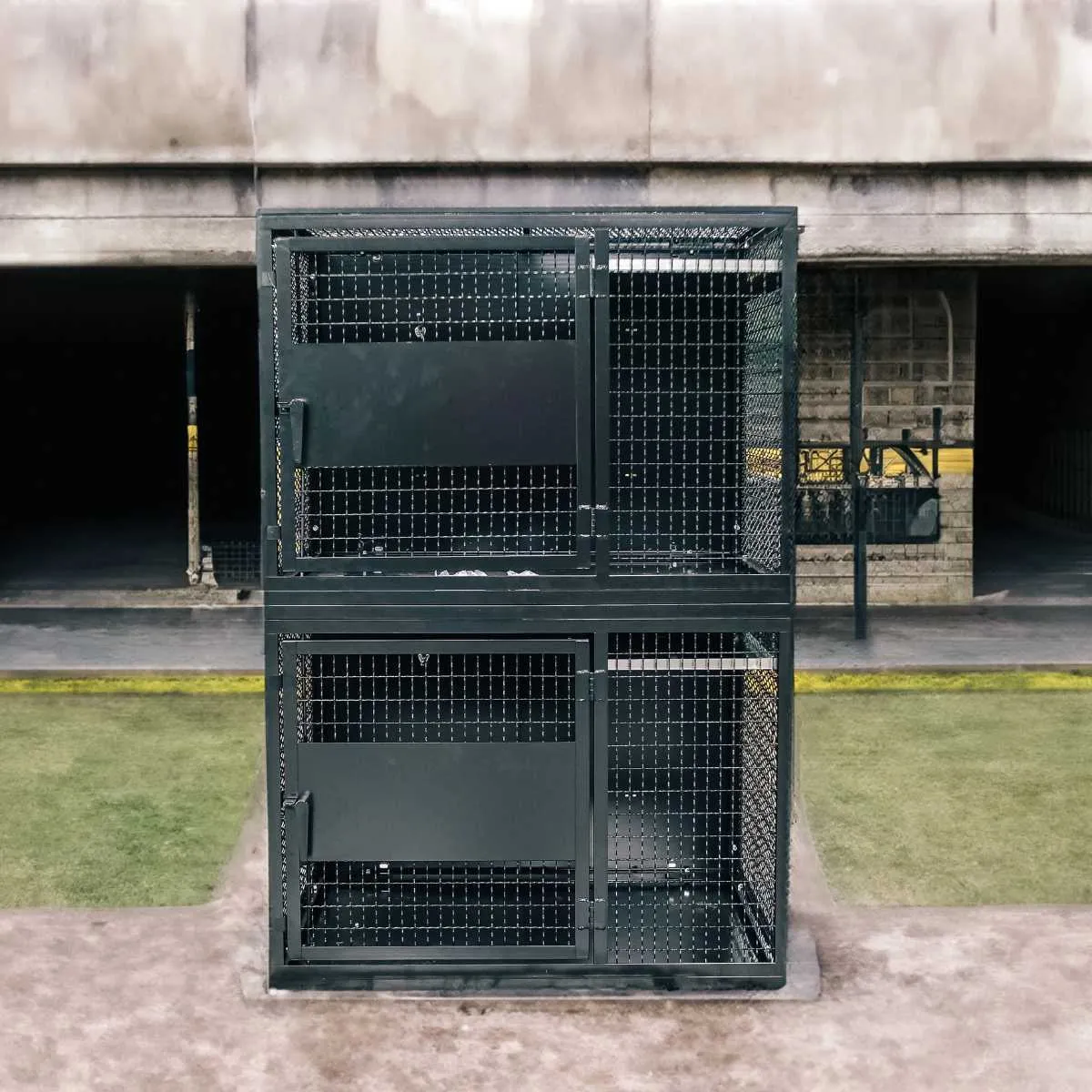
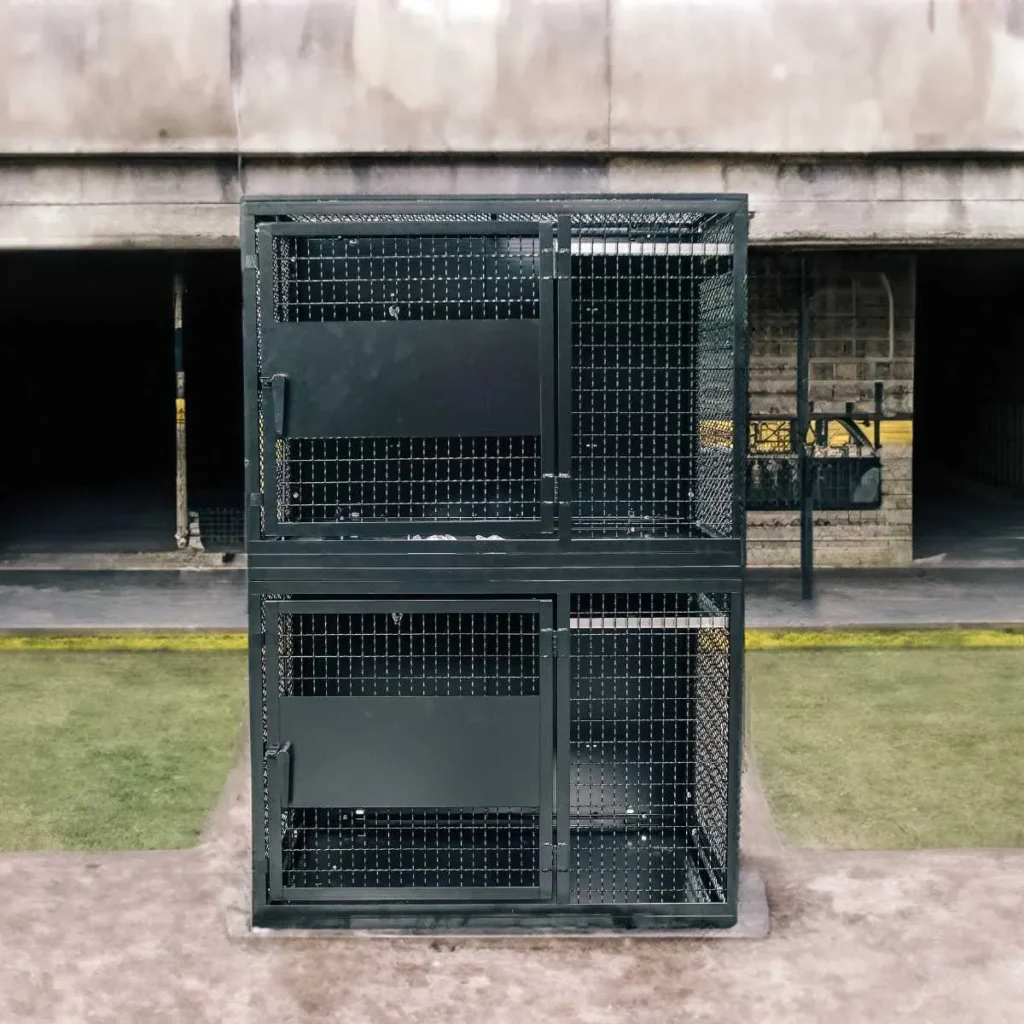
A TA-50 gear locker is an industrial-grade, heavy-duty storage unit specifically engineered to house a soldier’s or agent’s full deployment kit. From a procurement standpoint, these are defined by several “must-have” specifications:
- High Ventilation: Usually constructed with 13-gauge expanded metal or welded wire mesh. This allows air to circulate freely, which is vital for drying out gear that’s been exposed to rain or sweat, preventing mold and mildew.
- Structural Integrity: These units are typically all-welded. Unlike “knock-down” lockers that arrive in pieces and are bolted together, all-welded units provide the rigidity needed to support hundreds of pounds of gear without sagging or warping.
- Security: They feature three-point locking systems and recessed handles to prevent prying. This is essential for protecting high-value optics and sensitive equipment.
- Functional Interior: They’re deep (usually 24″ or more) to accommodate large rucksacks and feature heavy-duty coat rods and adjustable shelving. Best of all, they’re customizable to hold arms and endless tactical gear needs, ensuring every piece of mission-critical equipment has a dedicated, secure spot.
A Brief History: From Footlockers to Mesh
The history of TA-50 storage mirrors the technological advancement of the American warfighter. In the mid-20th century, a soldier’s kit was relatively minimalist. Gear was often stored in wooden wall lockers or simple steel footlockers at the foot of the bunk.
As the military transitioned into the 1980s and 90s, the “kit” became significantly more complex and voluminous. The introduction of the MOLLE (Modular Lightweight Load-carrying Equipment) system and advanced body armor meant that traditional lockers weren’t sufficient anymore. Procurement shifted toward the open-mesh steel design we see today. It’s a design born out of the need for “visual accountability” and “active aeration.”
Built to Meet Military and Federal Expectations
These TA-50 storage solutions reflect the level of engineering required for high-tempo defense and law enforcement environments. The systems are designed to align with GSA procurement, Department of Defense requirements, and rigorous durability expectations, ensuring suitability for federal acquisition and long-term service life.
The outcome is a robust, purpose-built gear storage system that delivers reliable asset protection, structural confidence, and mission-ready organization. It demonstrates how engineered material handling solutions can be tailored to meet the complex demands of military barracks and federal facilities while exceeding the strict standards expected in defense and tactical applications.
Military and Government Use
While the term is Army-centric, the application is universal across the federal landscape:
- U.S. Army: Used extensively in barracks and company work areas to store standard-issue OCIE and deployment bags.
- U.S. Marine Corps: Essential for storing “782 gear” (deuce gear), ensuring that heavy packs and tactical vests are organized for rapid field exercises.
- U.S. Navy: Utilized by Seabees, Navy Divers, and Master-at-Arms units where salt-air environments make high-quality powder coating and ventilation a necessity.
- U.S. Air Force: Found in Security Forces armories and with Pararescue (PJ) teams who require specialized layouts for diverse mission sets.
- U.S. Coast Guard: Critical for storing heavy boarding gear, dry suits, and tactical equipment at stations and aboard larger cutters.
- U.S. Space Force: Deployed within Guardian facilities where secure, organized access to specialized equipment and professional gear is required.
- National Guard: TA-50 lockers are a staple in armories across the country. Guard members aren’t always on active duty, so these lockers provide a secure, permanent home for issued equipment, ensuring it stays in peak condition and is ready for immediate state or federal activation.
- Federal Law Enforcement: Agencies like the FBI, ATF, and US Marshals utilize TA-50 style lockers to store tactical vests, breaching tools, and specialized weaponry in their field offices.
Benefits to Readiness and Protection
From a material handling perspective, the benefits of a proper TA-50 installation are three-fold:
- Rapid Deployment and PCIs
“Readiness” is the ability to deploy at a moment’s notice. A disorganized gear room is a bottleneck. TA-50 lockers allow for standardized organization. During Pre-Combat Inspections (PCIs), a leader can walk down a line of mesh lockers and immediately verify that every soldier has their helmet, vest, and mask accounted for without even opening a door. - Asset Lifecycle Management
Military gear is a massive taxpayer investment. High-performance fabrics and ballistic plates degrade if they’re stored in damp, stagnant environments. The open-air design of a TA-50 locker acts as a passive maintenance system, extending the life of the gear by ensuring it stays dry and aired out. - Personnel Accountability
Soldiers and agents are personally liable for their issued equipment. By providing a locker that can withstand a lifetime of heavy use and secure thousands of dollars in property, the government reduces the administrative burden of “Statement of Charges” and lost-item reports.
Procurement Advice From A Specialist’s Perspective
When you’re looking at GSA schedules or agency contracts, it’s tempting to go with the lowest bidder. However, in my experience, I’ve seen that “cheap” lockers are a liability.
For a successful procurement, ensure the specs demand all-welded construction, a powder-coat finish (for corrosion resistance), and integrated floor leveling glides.
A TA-50 locker should be a lifetime investment. When it’s built to these standards, it doesn’t just hold gear – it provides a rugged, heavy-duty storage foundation that outlasts the personnel it serves
Engineered Performance for Federal Readiness
AW Systems supports military and federal agencies with integrated TA-50 storage solutions designed for maximum durability, visual accountability, and mission-critical reliability.
Our approach bridges the gap between basic storage and high-performance material handling, positioning AW Systems as a leader in GSA government procurement for material handling and automation. By focusing on rugged, all-welded systems that meet strict DoD requirements, we deliver turnkey infrastructure that sustains the operational tempo of modern military and federal facilities.
Ready to optimize your facility’s gear storage and personnel readiness? Contact federal procurement experts at AW Systems today to discuss an engineered TA-50 storage solution designed to meet your specific operational and structural requirements.
AW Systems: One Project. One Vendor.
GSA procurement experts since 1990. Optimized government facility efficiency.
The Industry Standard for Federal Integration
For over 36 years, American Warehouse Systems has served as the premier GSA Prime Contractor for complex federal material handling and storage aid systems worldwide. Our expertise goes beyond providing equipment; we understand the intricacies of Federal Acquisition Regulations (FAR), Buy American requirements, and the specific security needs of mission-critical facilities.