Optimizing continuous material throughput with heavy load conveyor routing

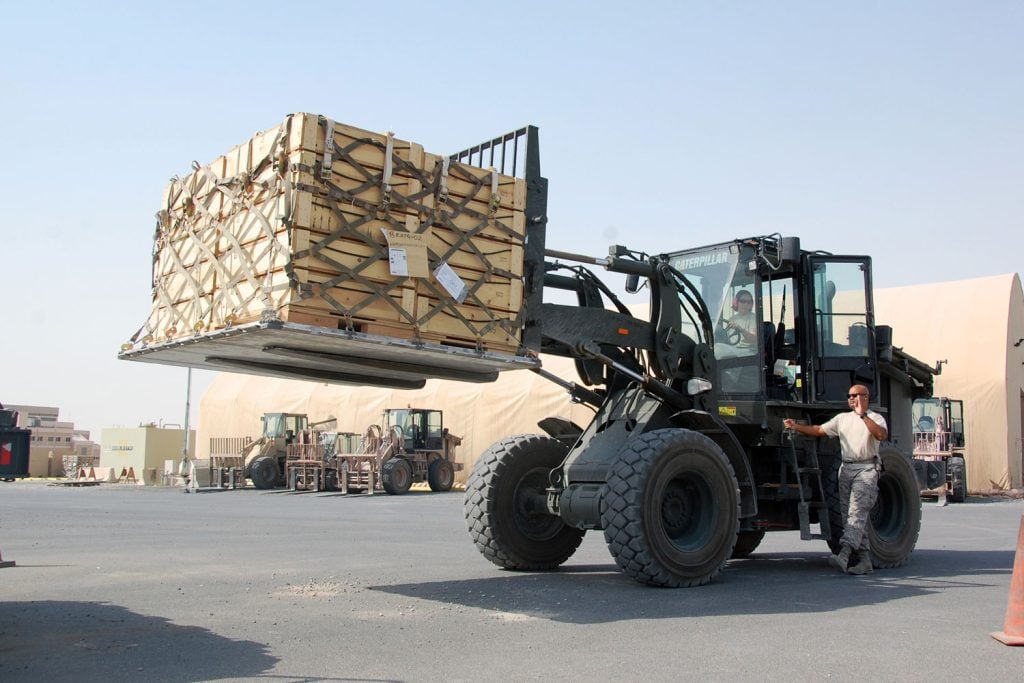
Large scale military supply depots frequently move non-palletized cargo, heavy tactical vehicle parts, and dense ammunition crates that destroy standard commercial equipment. Managing high-capacity conveyor systems for heavy payload supply depot distribution requires matching the structural integrity of the line to the true nature of the mission.

Implementing ruggedized configurations ensures a continuous flow of mission-critical supplies without operational bottlenecks or systemic breakdowns during high-volume deployments.

Overcoming the engineering challenges of heavy load distribution

The primary obstacle in high-capacity defense depots is dealing with the extreme force variations that occur during bulk loading and rapid sorting. When heavy freight moves from storage staging areas onto main sorting lines, the physical impact creates severe system stress that misaligns standard components and stalls processing speeds.

A specialist integration approach prevents these operational delays by isolating high-impact reception areas from the fluid, high-velocity distribution lines. This separation keeps the entire material flow moving at a predictable, steady pace without halting upstream operations.

Simplifying distribution center sorting and directional routing

Standard transport configurations struggle to change direction efficiently when handling dense military freight. To achieve true throughput optimization, the system layout must allow cargo to transfer seamlessly between receiving docks, storage bays, and shipping zones.

Heavy-duty directional transfers change paths automatically based on container metrics, shifting goods without manual intervention. This automated handling keeps high-volume intake lines completely clear and reduces forklift transit time across the facility floor.

Eliminating backpressure and cargo damage

When large volumes of heavy loads accumulate waiting for processing, items can crowd and collide on the line, leading to container damage or unsafe line jams.

Zone-controlled flow management completely prevents backpressure by holding items in designated buffer spaces until the path ahead is entirely clear. This fluid staging method safeguards sensitive electronics crates and expensive gear from colliding, allowing high-density cargo to wait out processing queues safely.

Ensuring reliable system longevity during surge operations

Equipment intended for light commercial use fails rapidly under the continuous stress of defense logistics cycles. Conveyor for heavy-duty loads requires systems built for maximum duty cycles to withstand the intense operational spikes common during military deployments.

Utilizing robust, structural components decreases the frequency of emergency repairs and manual troubleshooting, meaning the distribution center stays fully operational precisely when supply readiness matters most.

Navigating procurement and deployment with confidence

Managing extreme load distribution challenges requires deep logistical expertise and senior led accountability to protect your facility timeline.

AW Systems helps government and military customers implement automated material handling solutions for defense distribution centers by supervising every stage from structural engineering to final mechanical inspection. We eliminate vendor conflict and ensure your system meets every strict operational requirement. 

As a GSA Prime Contractor and dedicated systems integrator, we manage your entire scope of work under a single contract vehicle. Contact the procurement specialists at AW Systems today to keep your logistics project running smoothly and perfectly.


AW Systems: One Project. One Vendor. 

GSA procurement experts since 1990. Optimized government facility efficiency.

The Industry Standard for Federal Integration

Since 1990, American Warehouse Systems has served as the premier GSA Prime Contractor for complex federal material handling and storage aid systems worldwide. Our expertise goes beyond providing equipment; we understand the intricacies of Federal Acquisition Regulations (FAR), Buy American requirements, and the specific security needs of mission-critical facilities. 

Navigating the FAR Overhaul and Shifting GSA Compliance Standards

When critical warehouse upgrades are required, navigating the Federal Acquisition Regulation (FAR) Overhaul and shifting GSA compliance standards is often the most demanding part of the mission. Comprehensive modifications to FAR are creating real administrative processing delays for agency buyers, threatening to stall vital facility modernizations.

Fortunately, experienced project management from a trusted systems integrator can minimize this compliance friction through precise submittal packages, direct regulatory alignment, and comprehensive GSA Multiple Award Schedule (MAS) Contract material handling systems integration. It’s not just about selecting equipment, it’s about ensuring every structural modification and utility integration complies perfectly with evolving federal laws.

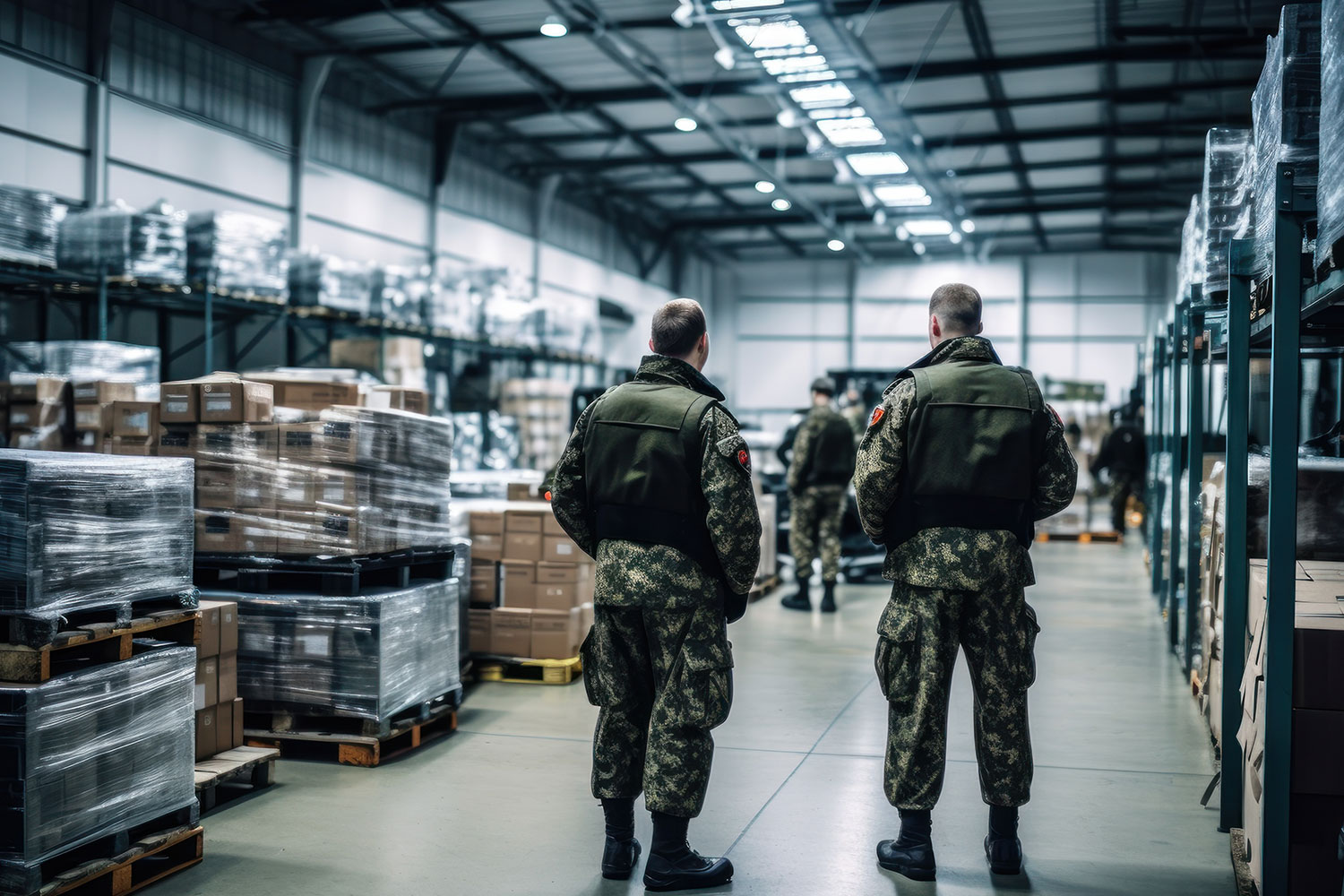
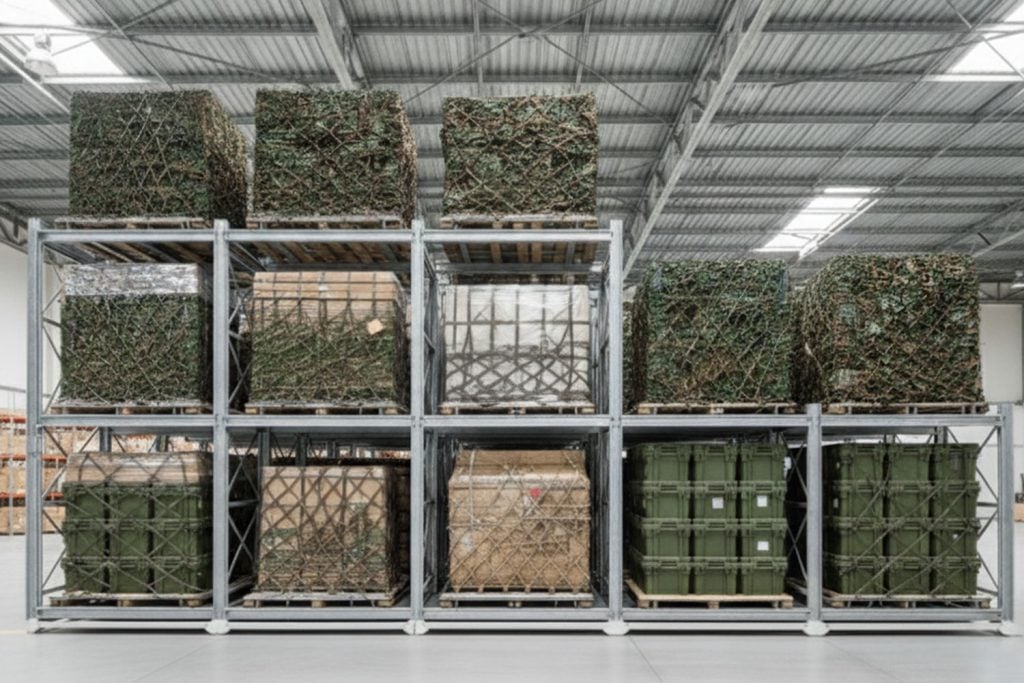
Military warehouse for provisions and ammunition at a military base.

Overcoming Infrastructure Integration Friction Under MAS Refresh 30 Class Deviations

Retrofitting military depots or federal distribution hubs requires more than just installing structural components. High-density storage solutions, like mezzanines, modular offices, and wire partitions, must integrate seamlessly with existing facility infrastructure. This means coordinating complex installations involving structural concrete, electrical wiring, specialized plumbing, fire suppression, and HVAC systems.

The administrative challenge has grown significantly with GSA MAS Refresh 30, which implements the Revolutionary FAR Overhaul. This regulatory transition replaces 53 existing Federal Acquisition Regulation clauses with class deviations, adds five new clauses, and deletes 36 legacy provisions, creating a substantial Revolutionary FAR Overhaul procurement compliance risk.

Because SAM.gov frequently lags behind active policy updates, automated procurement databases don’t always reflect newly mandated Refresh 30 deviations. An experienced systems integrator resolves this friction by serving as a single-source prime contractor, managing the entire scope under one contract and employing strict Federal Acquisition Regulation class deviation project management protocols. Providing comprehensive submittal packages that map directly to active deviations bypasses SAM.gov lags and keeps timelines on schedule.

Implementing Mandatory Transactional Data Reporting for Streamlined Acquisitions

GSA MAS Refresh 31 expanded Transactional Data Reporting (TDR) to all Special Item Numbers and made the program mandatory for all contractors. This update marks a significant shift in federal supply contract evaluation. By making Transactional Data Reporting mandatory GSA schedule compliance, the government has eliminated the traditional Basis of Award, customer sales tracking, and the Price Reductions Clause.

Contractors must now submit transaction-level data on all purchases, capturing product categories, quantities, and pricing structures. For complex storage and logistics integrations, this data-centric model offers a significant advantage. It allows agencies to purchase complete systems under a unified, pre-negotiated framework without the administrative burden of open-market justifications.

Furthermore, Refresh 31 opened the Order-Level Materials (OLM) Special Item Number to all GSA MAS contractors. A GSA Refresh 31 OLM procurement optimization strategy allows agencies to acquire secondary facility components, like custom concrete work or electrical integrations, directly under the primary GSA schedule contract.

Proactive Lifecycle Engineering and End-of-Support Hardware Risk Mitigation

Managing hardware lifecycles is just as critical as managing immediate physical footprint requirements. GSA MAS Refresh 32 introduces a strict regulatory definition for End-of-Support items, focusing on hardware, firmware, and software that no longer receive manufacturer updates, security patches, or defect fixes. Under these guidelines, if an offered system is obsolete or its manufacturer support window is three years or less from the award date, the contracting officer can reject the item.

For agencies planning high-density storage solutions, keeping up with End-of-Support hardware lifecycle compliance GSA mandates is essential. These complex engineered systems rely on integrated software and firmware to execute real-time inventory control and space optimization. If a contractor attempts to supply legacy hardware nearing support limits, the agency risks security vulnerabilities.

A qualified systems integrator mitigates this risk by performing exhaustive technical reviews during design. Selecting components with verified, long-term manufacturer support roadmaps guarantees that the entire material handling system remains fully compliant throughout its operational life.

Optimizing Military Depot Space with Long-Term GSA Contract Vehicles

Maximizing storage capacity at a military logistics center requires a careful balance of physical space and regulatory compliance. GSA contracts provide immediate access to pre-negotiated pricing and shorter lead times, eliminating the need to seek open-market bids.

Under GSA schedules, ordering activities meet full and open competition requirements, cutting administrative costs and reducing procurement risk. Partnering with an expert GSA systems integrator provides a seamless procurement experience.

We know that keeping your facility mission-ready means you cannot afford administrative setbacks or contract delays. Don’t let active FAR class deviations or SAM.gov updates stall your next warehouse upgrade.

As a GSA Prime Contractor and dedicated systems integrator, we manage your entire scope of work under a single contract vehicle. Contact the procurement specialists at AW Systems today to keep your logistics project running smoothly and perfectly.


AW Systems: One Project. One Vendor. 

GSA procurement experts since 1990. Optimized government facility efficiency.

The Industry Standard for Federal Integration

Since 1990, American Warehouse Systems has served as the premier GSA Prime Contractor for complex federal material handling and storage aid systems worldwide. Our expertise goes beyond providing equipment; we understand the intricacies of Federal Acquisition Regulations (FAR), Buy American requirements, and the specific security needs of mission-critical facilities. 

TA-50 Gear Lockers: History, Specs, and Procurement Standards

The Backbone of Readiness: A Procurement Specialist’s Guide to TA-50 Gear Lockers

In the high-stakes world of government procurement and military logistics, certain items are often overlooked – until they fail.

With over 36 years in GSA government procurement, I’ve learned that the TA50 Gear Locker is much more than mere ‘furniture.’ It’s a mission-essential piece of infrastructure that serves as the foundation for personnel accountability and long-term readiness.

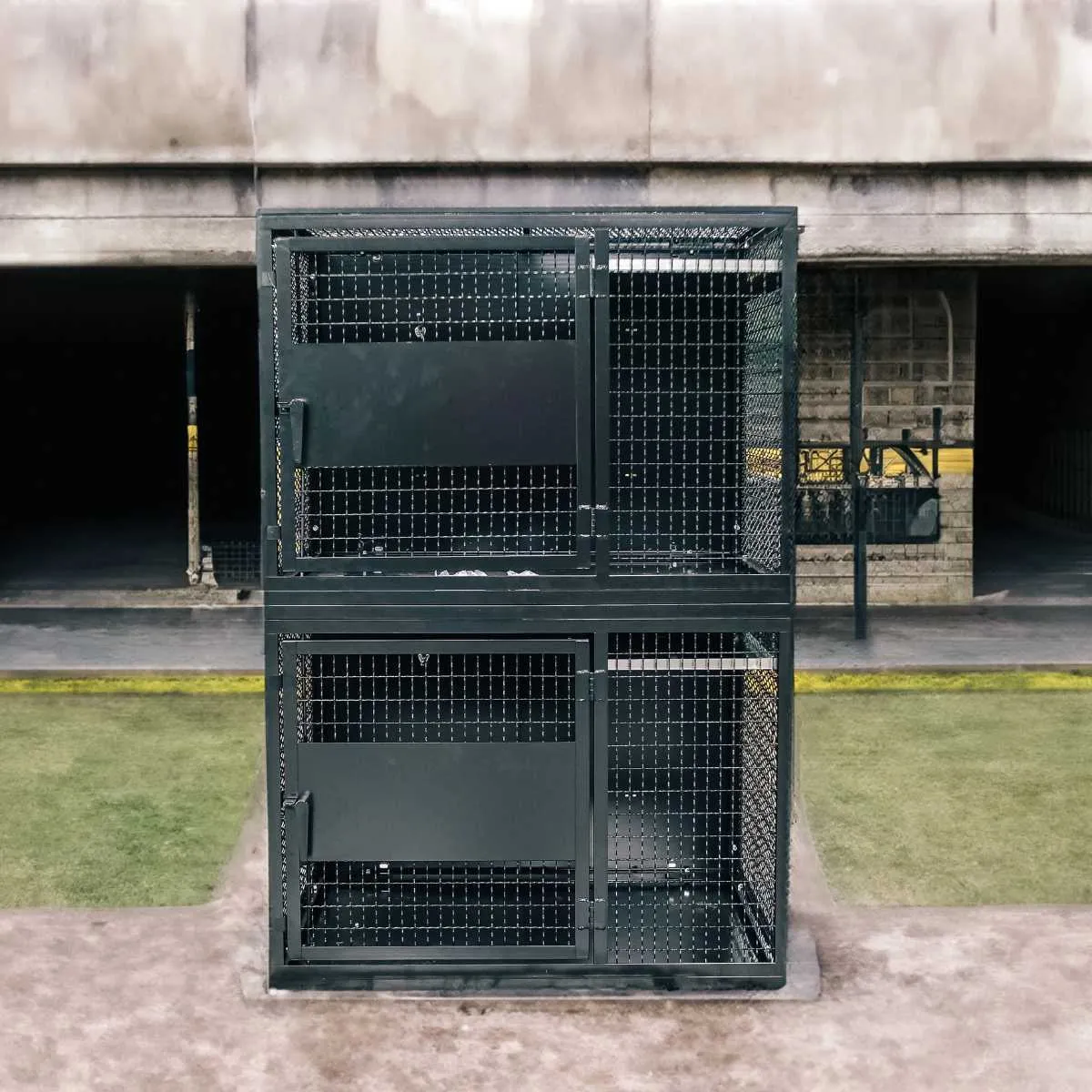
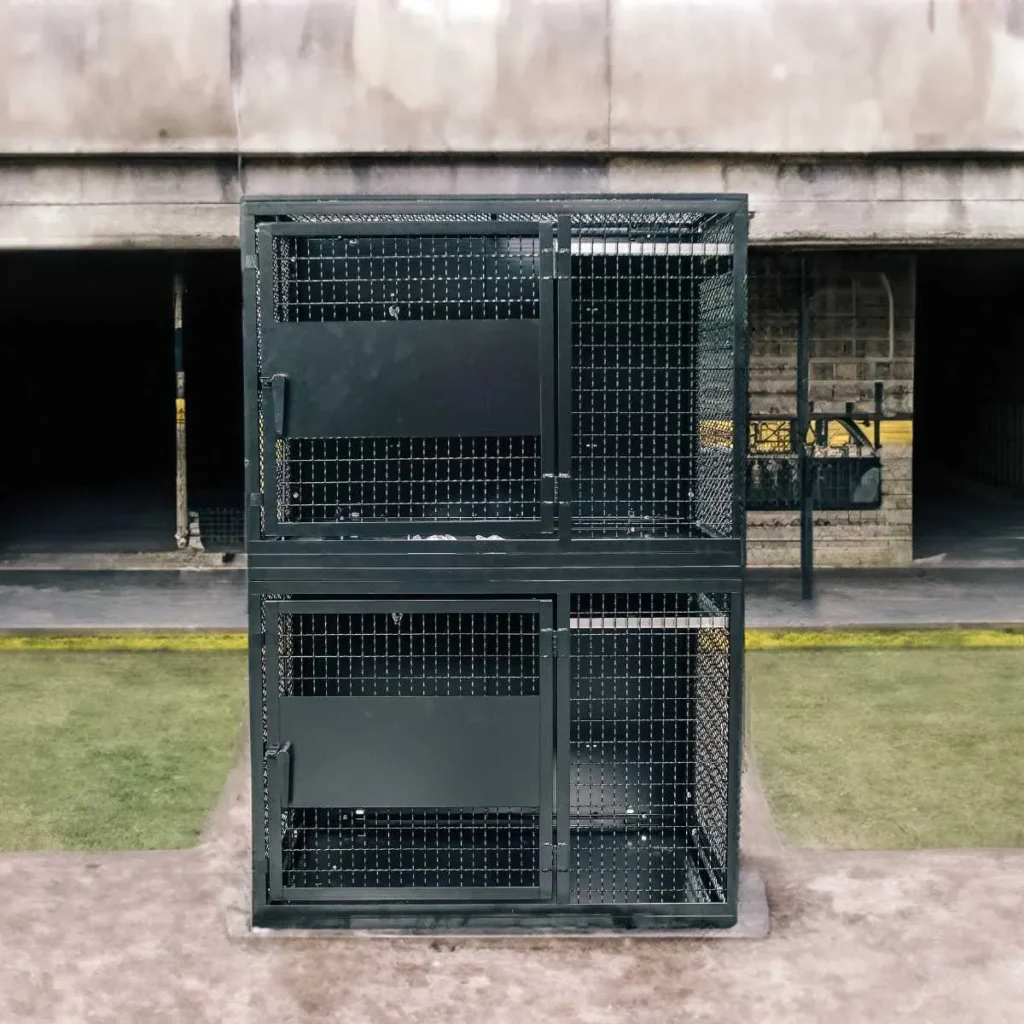
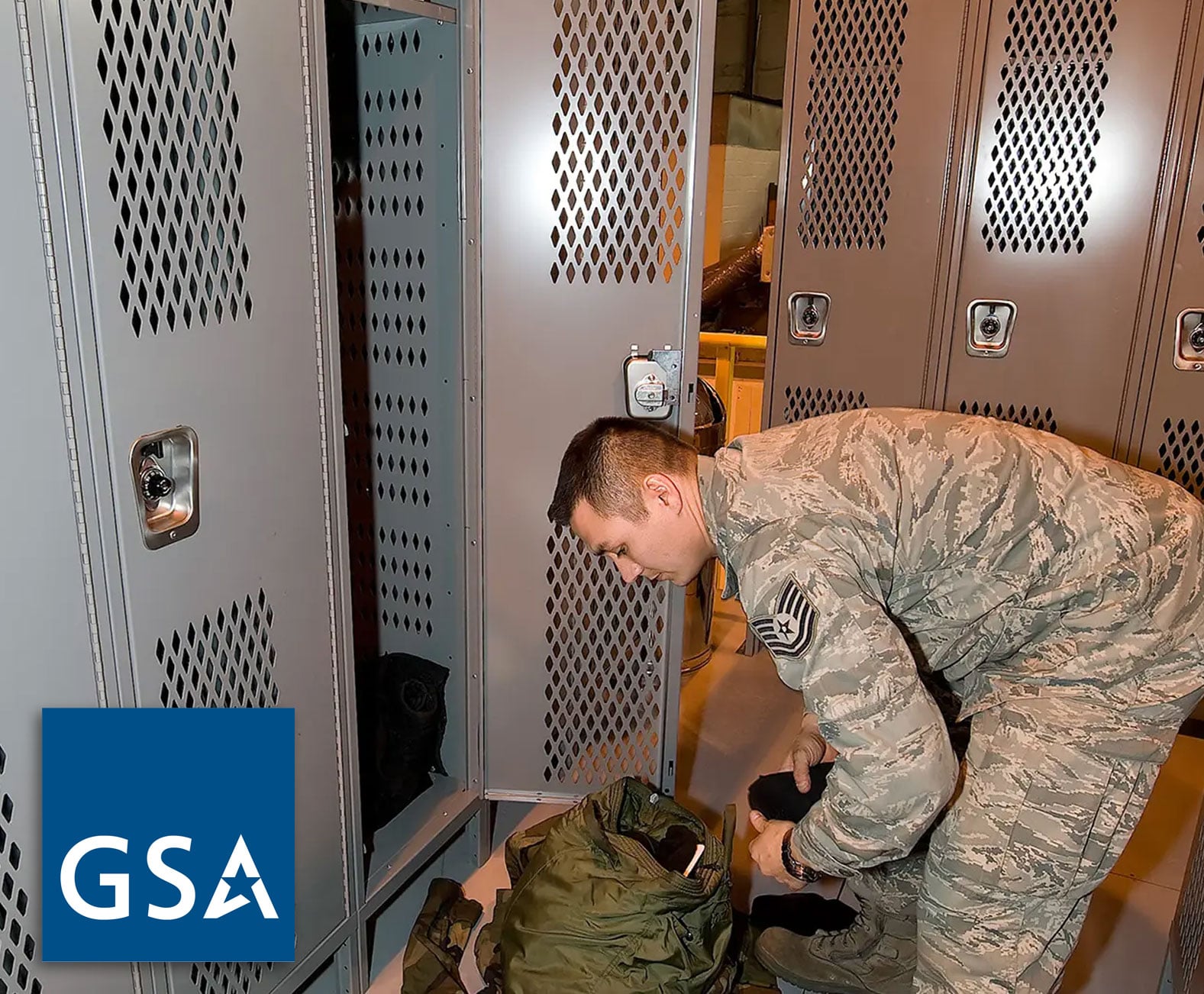
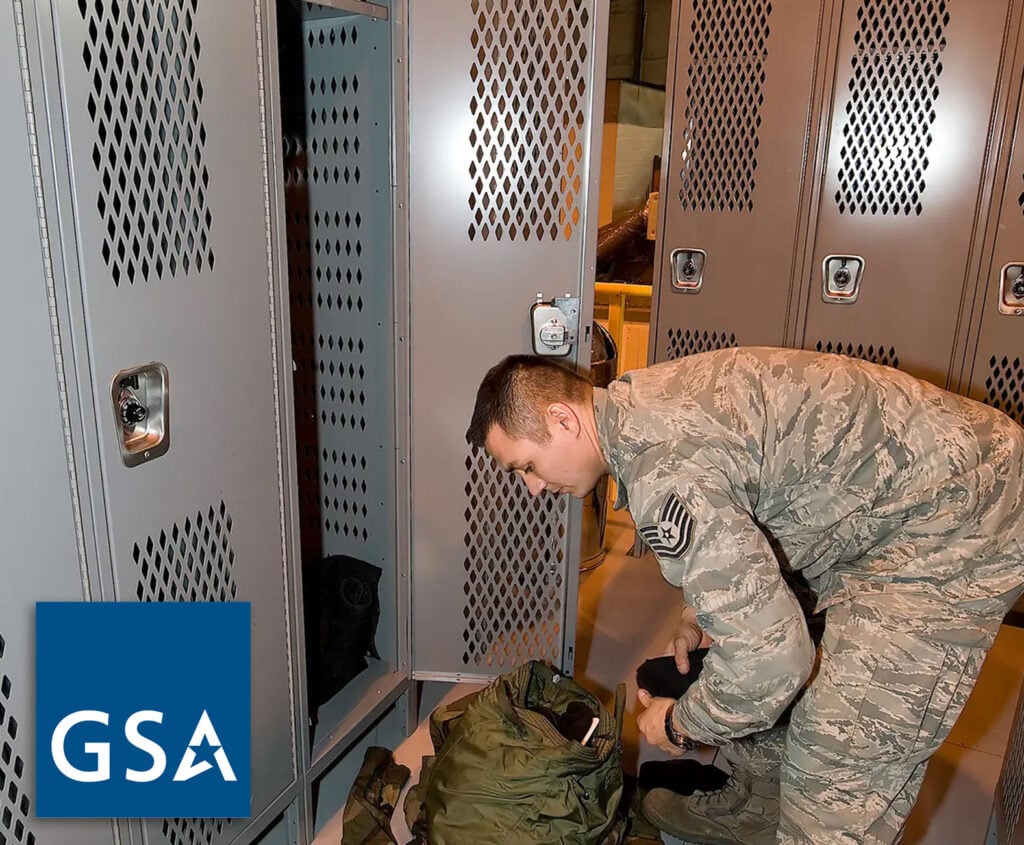
Stackable Military Storage Lockers

What does “TA-50” Actually Mean?

To understand the locker, you’ve got to understand the acronym. In the U.S. Army, TA-50 stands for Table of Allowances 50. This is the specific list of individual clothing and equipment (OCIE) issued to a soldier.

While the exact items evolve, TA-50 generally refers to the “heavy” kit: rucksacks, tactical vests (IOTVs), ballistic helmets, cold-weather gear, sleeping systems, and CBRN masks. Because this equipment is bulky, expensive, and mission-essential, it requires a storage solution that’s far more robust than a standard school or gym locker.

What is a TA-50 Gear Locker?

A TA-50 gear locker is an industrial-grade, heavy-duty storage unit specifically engineered to house a soldier’s or agent’s full deployment kit. From a procurement standpoint, these are defined by several “must-have” specifications:

  1. High Ventilation: Usually constructed with 13-gauge expanded metal or welded wire mesh. This allows air to circulate freely, which is vital for drying out gear that’s been exposed to rain or sweat, preventing mold and mildew.
  2. Structural Integrity: These units are typically all-welded. Unlike “knock-down” lockers that arrive in pieces and are bolted together, all-welded units provide the rigidity needed to support hundreds of pounds of gear without sagging or warping.
  3. Security: They feature three-point locking systems and recessed handles to prevent prying. This is essential for protecting high-value optics and sensitive equipment.
  4. Functional Interior: They’re deep (usually 24″ or more) to accommodate large rucksacks and feature heavy-duty coat rods and adjustable shelving. Best of all, they’re customizable to hold arms and endless tactical gear needs, ensuring every piece of mission-critical equipment has a dedicated, secure spot.

A Brief History: From Footlockers to Mesh

The history of TA-50 storage mirrors the technological advancement of the American warfighter. In the mid-20th century, a soldier’s kit was relatively minimalist. Gear was often stored in wooden wall lockers or simple steel footlockers at the foot of the bunk.

As the military transitioned into the 1980s and 90s, the “kit” became significantly more complex and voluminous. The introduction of the MOLLE (Modular Lightweight Load-carrying Equipment) system and advanced body armor meant that traditional lockers weren’t sufficient anymore. Procurement shifted toward the open-mesh steel design we see today. It’s a design born out of the need for “visual accountability” and “active aeration.”

Built to Meet Military and Federal Expectations

These TA-50 storage solutions reflect the level of engineering required for high-tempo defense and law enforcement environments. The systems are designed to align with GSA procurement, Department of Defense requirements, and rigorous durability expectations, ensuring suitability for federal acquisition and long-term service life.

The outcome is a robust, purpose-built gear storage system that delivers reliable asset protection, structural confidence, and mission-ready organization. It demonstrates how engineered material handling solutions can be tailored to meet the complex demands of military barracks and federal facilities while exceeding the strict standards expected in defense and tactical applications.

Military and Government Use

While the term is Army-centric, the application is universal across the federal landscape:

  • U.S. Army: Used extensively in barracks and company work areas to store standard-issue OCIE and deployment bags.
  • U.S. Marine Corps: Essential for storing “782 gear” (deuce gear), ensuring that heavy packs and tactical vests are organized for rapid field exercises.
  • U.S. Navy: Utilized by Seabees, Navy Divers, and Master-at-Arms units where salt-air environments make high-quality powder coating and ventilation a necessity.
  • U.S. Air Force: Found in Security Forces armories and with Pararescue (PJ) teams who require specialized layouts for diverse mission sets.
  • U.S. Coast Guard: Critical for storing heavy boarding gear, dry suits, and tactical equipment at stations and aboard larger cutters.
  • U.S. Space Force: Deployed within Guardian facilities where secure, organized access to specialized equipment and professional gear is required.
  • National Guard: TA-50 lockers are a staple in armories across the country. Guard members aren’t always on active duty, so these lockers provide a secure, permanent home for issued equipment, ensuring it stays in peak condition and is ready for immediate state or federal activation.
  • Federal Law Enforcement: Agencies like the FBI, ATF, and US Marshals utilize TA-50 style lockers to store tactical vests, breaching tools, and specialized weaponry in their field offices.

Benefits to Readiness and Protection

From a material handling perspective, the benefits of a proper TA-50 installation are three-fold:

  1. Rapid Deployment and PCIs
    “Readiness” is the ability to deploy at a moment’s notice. A disorganized gear room is a bottleneck. TA-50 lockers allow for standardized organization. During Pre-Combat Inspections (PCIs), a leader can walk down a line of mesh lockers and immediately verify that every soldier has their helmet, vest, and mask accounted for without even opening a door.
  2. Asset Lifecycle Management
    Military gear is a massive taxpayer investment. High-performance fabrics and ballistic plates degrade if they’re stored in damp, stagnant environments. The open-air design of a TA-50 locker acts as a passive maintenance system, extending the life of the gear by ensuring it stays dry and aired out.
  3. Personnel Accountability
    Soldiers and agents are personally liable for their issued equipment. By providing a locker that can withstand a lifetime of heavy use and secure thousands of dollars in property, the government reduces the administrative burden of “Statement of Charges” and lost-item reports.

Procurement Advice From A Specialist’s Perspective

When you’re looking at GSA schedules or agency contracts, it’s tempting to go with the lowest bidder. However, in my experience, I’ve seen that “cheap” lockers are a liability.

For a successful procurement, ensure the specs demand all-welded construction, a powder-coat finish (for corrosion resistance), and integrated floor leveling glides.

A TA-50 locker should be a lifetime investment. When it’s built to these standards, it doesn’t just hold gear – it provides a rugged, heavy-duty storage foundation that outlasts the personnel it serves

Engineered Performance for Federal Readiness

AW Systems supports military and federal agencies with integrated TA-50 storage solutions designed for maximum durability, visual accountability, and mission-critical reliability.

Our approach bridges the gap between basic storage and high-performance material handling, positioning AW Systems as a leader in GSA government procurement for material handling and automation. By focusing on rugged, all-welded systems that meet strict DoD requirements, we deliver turnkey infrastructure that sustains the operational tempo of modern military and federal facilities.

Ready to optimize your facility’s gear storage and personnel readiness? Contact federal procurement experts at AW Systems today to discuss an engineered TA-50 storage solution designed to meet your specific operational and structural requirements.


AW Systems: One Project. One Vendor. 

GSA procurement experts since 1990. Optimized government facility efficiency.

The Industry Standard for Federal Integration

For over 36 years, American Warehouse Systems has served as the premier GSA Prime Contractor for complex federal material handling and storage aid systems worldwide. Our expertise goes beyond providing equipment; we understand the intricacies of Federal Acquisition Regulations (FAR), Buy American requirements, and the specific security needs of mission-critical facilities. 

463L Pallet Conveyor Systems for Military Air Cargo Operations

High-Performance 463L Air Cargo Conveyor Engineering

Effective air cargo operations depend on more than pallet capacity alone. They require conveyor systems engineered to move heavy, mission-critical loads safely, precisely, and repeatedly in demanding environments.

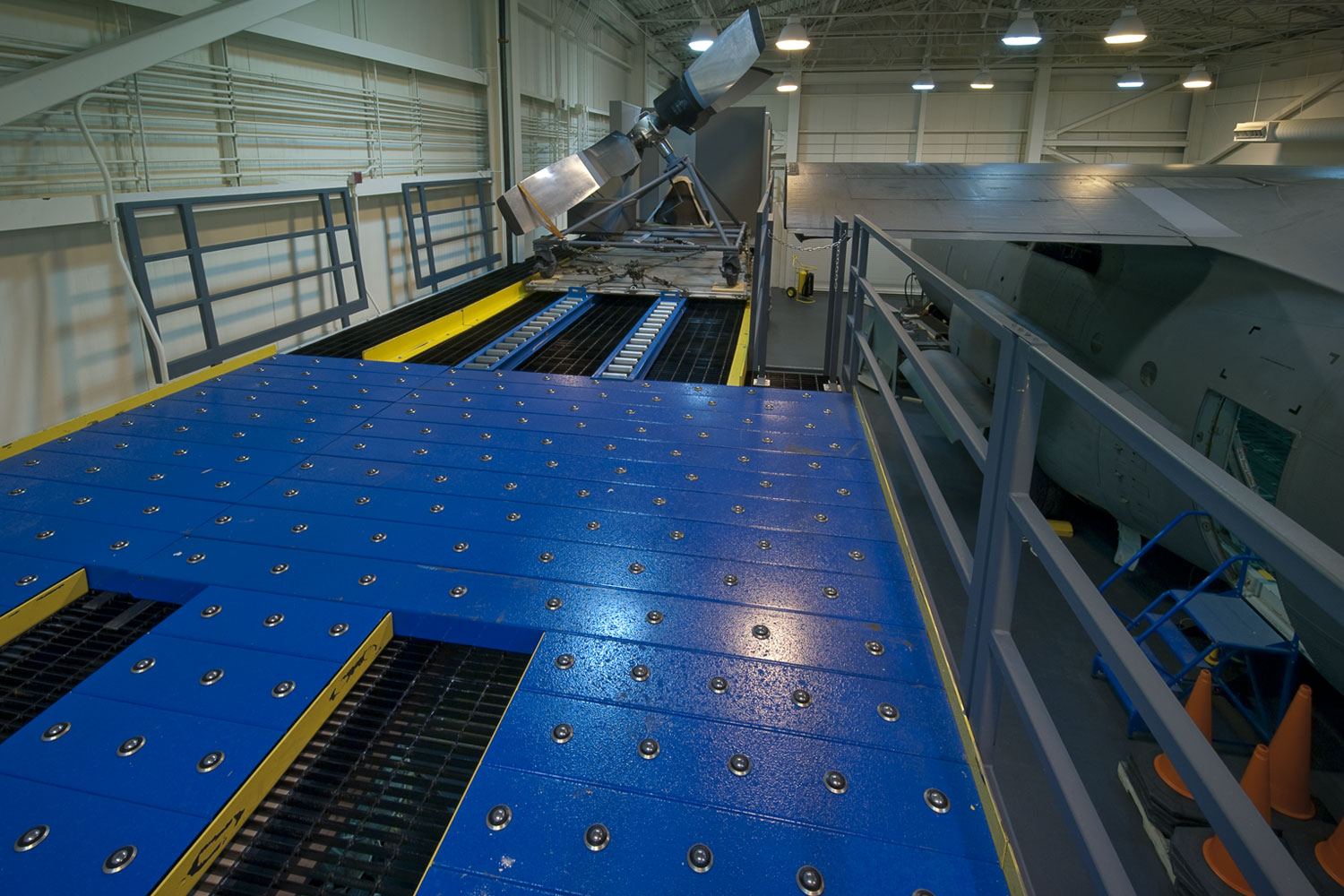
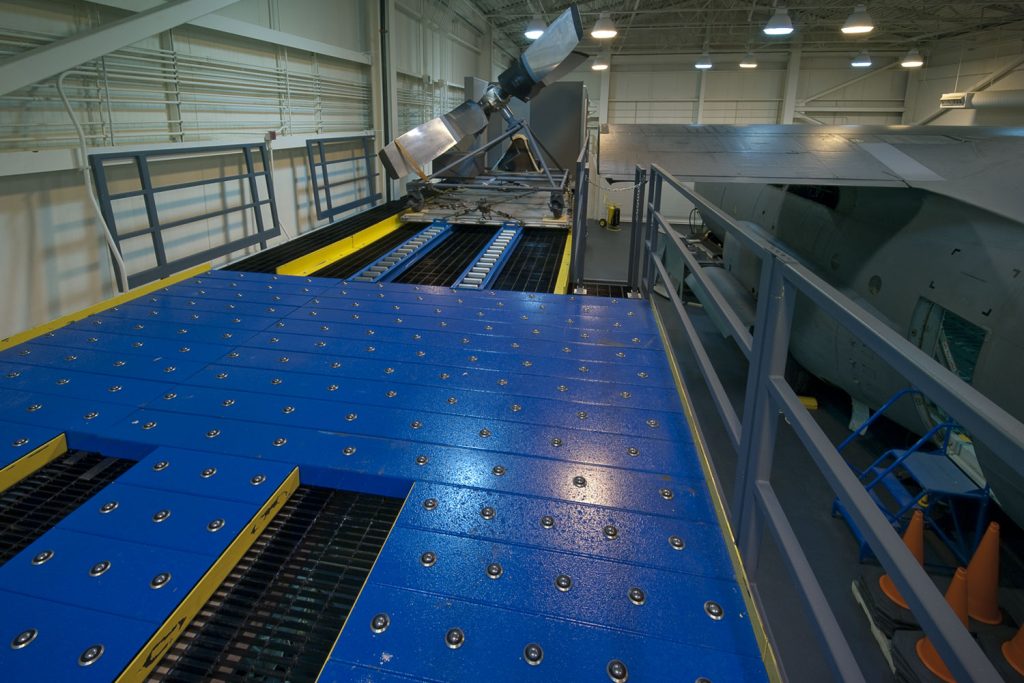
American Warehouse Systems delivered a specialized 463L air cargo pallet conveyor system designed to support elevated military training operations at Hurlburt Field, a key U.S. Air Force installation in the Florida Panhandle.

The requirement called for a 463L pallet conveyor system mounted approximately ten feet above ground level to support air cargo training activities. This configuration introduced significant engineering challenges that extended well beyond a standard conveyor installation.


Air Cargo Handling Solutions 463L Pallet Conveyor System

Designing for Extreme Load and Structural Demands

The 463L air cargo pallet is designed to handle payloads approaching 10,000 pounds, creating concentrated point loads that must be carefully managed. In this application, the conveyor system could not operate independently. It required a purpose-built mezzanine engineered to support both the vertical load of the pallet and the horizontal forces generated as the pallet moved through the system.

American Warehouse Systems engineered the mezzanine, conveyor, and transfer bed as a unified solution. The structure was designed to control deflection, maintain alignment, and ensure smooth pallet travel under full load conditions. This integrated approach ensured the system could perform reliably while meeting strict safety expectations in a training environment.

Supporting Specialized Air Force Training Missions

Hurlburt Field serves as the headquarters for Air Force Special Operations Command and is home to the 1st Special Operations Wing, supporting advanced airpower missions, elite force training, and rapid-response deployment readiness.

Training facilities at this level require infrastructure that mirrors real-world air cargo handling conditions. The elevated 463L pallet conveyor system enables realistic pallet movement and handling exercises while maintaining the structural integrity and control required for safe operation.

Built to Meet Military and Federal Expectations

This 463L pallet conveyor solution reflects the level of engineering required for military air cargo environments. The system was designed to align with GSA procurement, Department of Defense requirements, and aerospace-grade performance expectations, ensuring suitability for federal acquisition and long-term use.

The outcome is a robust, purpose-built 463L Air Cargo Pallet Conveyor system that delivers reliable pallet movement, structural confidence, and repeatable performance. It demonstrates how engineered conveyor solutions can be tailored to meet the complex demands of military training operations while exceeding the strict standards expected in defense and aerospace applications.

Engineered Precision for High-Stakes Air Cargo Operations

American Warehouse Systems supports military installations with integrated 463L conveyor solutions designed for extreme structural demands, precise load control, and mission-critical reliability.

Our approach emphasizes unified engineering, bridging the gap between heavy-duty equipment and complex facility constraints like elevated mezzanine integration. By focusing on systems that manage high-capacity point loads and horizontal kinetic forces, AW Systems delivers turnkey infrastructure that sustains the rigorous tempo of specialized training environments.

Ready to enhance your air cargo handling capabilities? Contact our federal project experts today to discuss an engineered 463L conveyor system designed to meet your specific operational and structural requirements.


AW Systems: One Project. One Vendor. 

GSA procurement experts since 1990. Optimized government facility efficiency.

The Industry Standard for Federal Integration

For over 36 years, American Warehouse Systems has served as the premier GSA Prime Contractor for complex federal material handling and storage aid systems worldwide. Our expertise goes beyond providing equipment; we understand the intricacies of Federal Acquisition Regulations (FAR), Buy American requirements, and the specific security needs of mission-critical facilities. 

The Buy American Advantage: Simplifying Overseas Procurement

When U.S. agencies build or upgrade facilities overseas, one rule always follows them: “Buy American”.

Whether it’s an embassy warehouse in Europe, a maintenance depot on base, or a logistics hub supporting DLA operations abroad, procurement officers must navigate layers of federal regulations designed to ensure taxpayer dollars support American industry.

The challenge is that global projects rarely come with global clarity. Sourcing domestically manufactured systems that meet performance, shipping, and security requirements can slow projects to a crawl.

That’s where American Warehouse Systems (AW-Systems) bridges the gap. As a GSA-approved, U.S.-based small business, AW-Systems delivers turnkey material handling systems that meet mission needs anywhere in the world, without violating procurement law or adding unnecessary complexity.
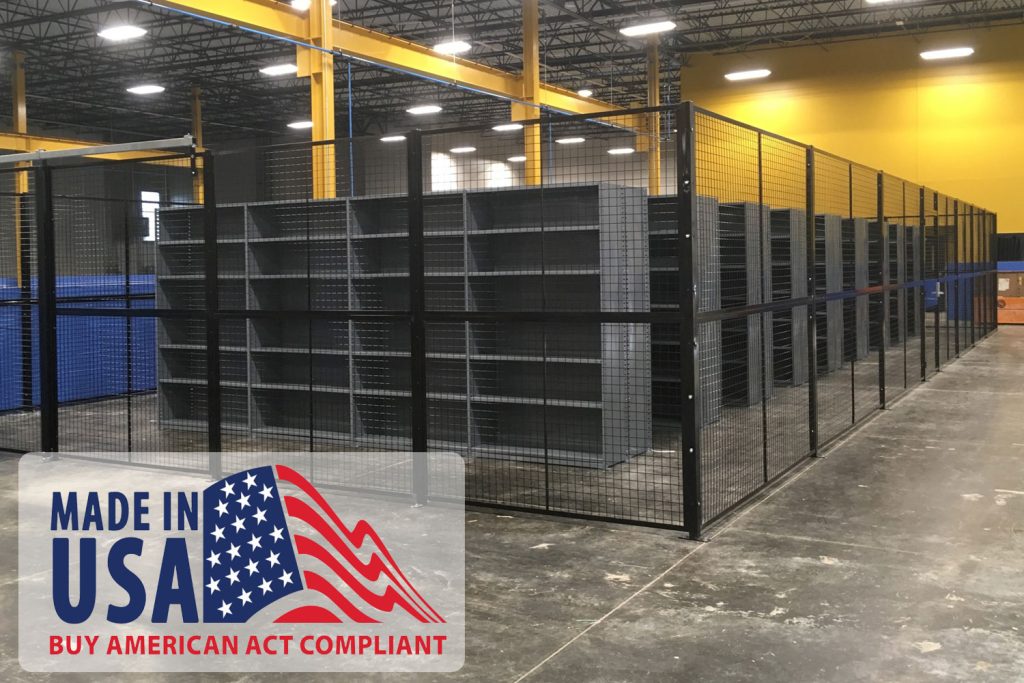
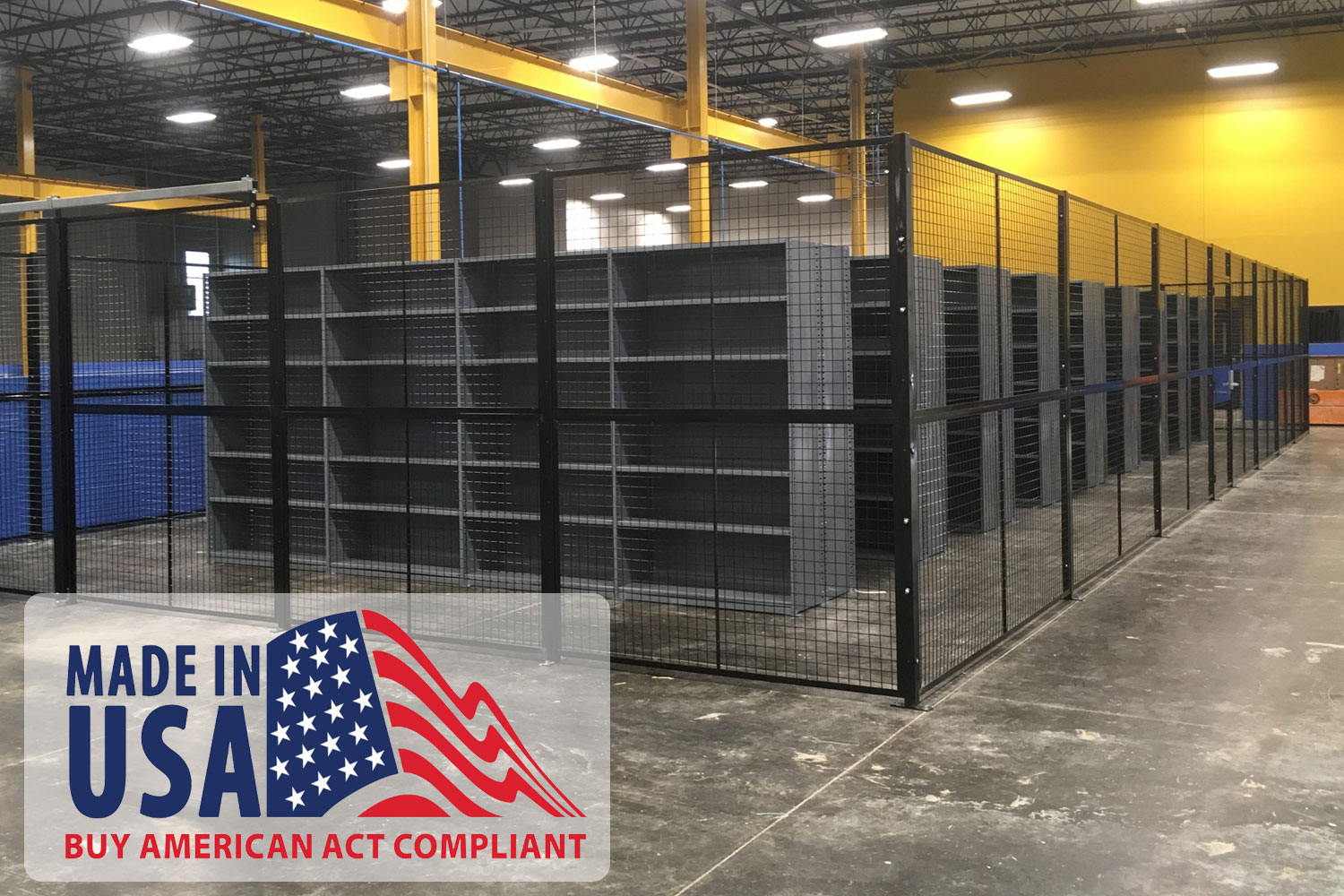
Buy American Act Compliant Wire Partitions on GSA


What the “Buy American Act” Really Means

The Buy American Act (BAA), first enacted in 1933, requires federal agencies to purchase goods manufactured substantially in the United States. Over the decades, related trade agreements, waivers, and FAR clauses have refined the rules but not the intent: protect American labor and ensure supply-chain reliability.

For contracting officers, that means every purchase – racking, lockers, lifts, mezzanines, or partitions – must pass two key tests:

  1. Domestic Content: A product must be manufactured in the United States, and a majority of its component cost must come from U.S. sources.
  2. Manufacture Location: The end product must be substantially transformed within U.S. borders.

Complying with those two points is simple when the project is domestic. The complications begin when the installation is OCONUS (Outside the Continental United States).


Why Overseas Procurement Gets Complicated

Federal projects abroad bring added hurdles.

  • Limited access to U.S. vendors capable of handling overseas logistics or installation.
  • Foreign labor restrictions that can conflict with BAA or SOFA agreements.
  • Currency, tariff, and customs challenges that complicate cost justification.
  • Security screening requirements for both materials and personnel.

These obstacles often lead agencies to split projects into smaller, disconnected scopes: equipment from one source, installation from another, and compliance paperwork handled separately.

That fragmentation increases risk. If one vendor fails a compliance check, the entire project can stall.


The AW-Systems Solution: One Project. One Vendor.

AW-Systems was built to eliminate that complexity. Since the 1990s, American Warehouse Systems has delivered engineered storage and material handling systems to federal facilities worldwide under a single, compliant umbrella.

Our model ensures every project, domestic or overseas, meets Buy American, FAR, and GSA Schedule standards from start to finish.

We handle it all:

  • Systems: mezzanines, pallet racks, TA-50 gear lockers, wire partitions, vertical lifts, and 463L pallet racks.
  • Integration: concrete pads, lighting, fire suppression tie-ins, and secure enclosures.
  • Management: logistics, export documentation, customs clearance, and certified U.S. installers.

For contracting officers, that means one quote, one contract, and one accountable vendor.


Why Compliance Builds Confidence

Procurement compliance isn’t just paperwork; it’s protection. It shields agencies from protests, contract rejections, and the operational downtime that follows a failed audit.

Because AW-Systems holds an active GSA Schedule Contract (47QSWA23D0069), projects automatically satisfy the most common sourcing requirements:

  • SAM registration and SBA accreditation confirm U.S. small-business status.
  • BBB accreditation reinforces transparent and ethical operations.
  • “Buy American” certification documentation accompanies every material line item.

In practical terms, AW-Systems eliminates the guesswork. Every component is traceable to a compliant U.S. source, every subcontractor is pre-vetted, and every project is packaged for turnkey approval.


Overseas Projects, American Standards

A U.S. flag on the contract should still mean U.S. quality on the ground.

That is why AW-Systems coordinates directly with embassy facility managers, defense attaché offices, and DLA overseas commands to deliver American-made systems that meet both U.S. and host-nation standards.

Typical international deployments include:

  • Embassy warehouse expansions using mezzanines and wire partitions for secure, segregated storage.
  • Forward logistics hubs equipped with 463L pallet racking and TA-50 gear lockers.
  • Overseas maintenance facilities requiring turnkey electrical, lighting, and safety integration.

Each project begins in the United States with engineered drawings, compliant materials, and export-ready documentation. From there, AW-Systems manages shipping, customs, and on-site installation using U.S.-trained crews.

In one recent embassy project in Eastern Europe, AW-Systems delivered a complete mezzanine and racking system under a single GSA-compliant contract, cutting procurement time by forty percent and avoiding more than $100,000 in duplication costs.


The Financial Advantage of Buying American

While compliance may sound restrictive, the Buy American Act often saves money over the life of the system. Domestic manufacturing provides several benefits:

  • Predictable lead times, with no waiting for overseas supply chains.
  • Standardized replacement parts readily available through U.S. distributors.
  • Simplified warranty support and responsive service.
  • Reduced administrative overhead from multiple vendor approvals.

For overseas projects, AW-Systems coordinates freight consolidation and shipping directly from U.S. ports, using government-approved carriers and packaging. That means fewer hand-offs, less risk of damage, and complete visibility from factory to final site.


Turnkey Procurement in a Global Environment

The federal acquisition process is already complex. Adding foreign contractors or mixed-origin products multiplies the risk.

AW-Systems simplifies it with an end-to-end model built specifically for federal buyers:

  • Design and Specification: In-house engineers ensure layouts meet mission requirements and BAA thresholds.
  • Procurement: All products sourced through U.S. manufacturers under our GSA Schedule.
  • Export Logistics: We manage documentation, customs, and carrier coordination.
  • Installation: U.S.-trained teams ensure proper assembly and inspection compliance.
  • Close-Out: Full warranty documentation and traceable sourcing package provided to the contracting office.

This is how One Project. One Vendor. moves from slogan to measurable value.


The Small-Business Advantage

Working with a certified small business offers more than goodwill; it meets federal set-aside goals and simplifies award justification.

AW-Systems’ registration through the Small Business Administration and System for Award Management (SAM) allows contracting officers to:

  • Satisfy small-business participation requirements.
  • Use streamlined acquisition thresholds.
  • Avoid time-consuming multi-bid procedures for pre-approved GSA items.

That means faster awards, fewer protests, and easier funding justification for the agency.


Compliance Beyond Borders

Every overseas installation brings unique local challenges, including electrical codes, anchoring standards, seismic requirements, and fire-suppression tie-ins.

AW-Systems works directly with host-nation engineers to align U.S. standards with local regulations, ensuring the final system passes inspection on both sides of the Atlantic or the Pacific. The result is a fully functional, fully compliant facility that operates under American oversight while respecting local laws.

For contracting officers, that partnership removes uncertainty and reinforces accountability.


How to Streamline Buy American Compliance for Overseas Projects

The “Buy American Act” exists to protect American workers and ensure reliable, traceable supply chains. For overseas federal projects, it can also create friction – unless you work with the right partner.

American Warehouse Systems delivers compliant, turnkey solutions that make overseas procurement easier, faster, and safer. From DLA depots to embassy warehouses, every system we build carries the same commitment: American-made quality, federal compliance, and mission readiness.

One Project. One Vendor. That is how we simplify global procurement for the United States Government.

Ready to start your next overseas project?

Contact an overseas procurement expert today, your GSA-approved partner for Buy American-compliant storage and material-handling systems worldwide.
How Mezzanine Systems Unlock Hidden Space in Federal Warehouses

The Space Challenge Inside Federal Facilities

Federal warehouses, depots, and supply centers face a growing problem. They are running out of space. New inventory, mission-specific equipment, and evolving storage requirements often outgrow existing footprints. But for most agencies, expanding a facility is not a quick or affordable option, especially when it involves federal property, security restrictions, or overseas construction limits.

That is where mezzanine systems come in. A mezzanine instantly turns unused vertical space into productive square footage without the cost, complexity, or delays of new construction.

At AW-Systems, we design and install GSA-approved mezzanine systems engineered to maximize efficiency, meet federal codes, and integrate seamlessly with existing storage solutions.

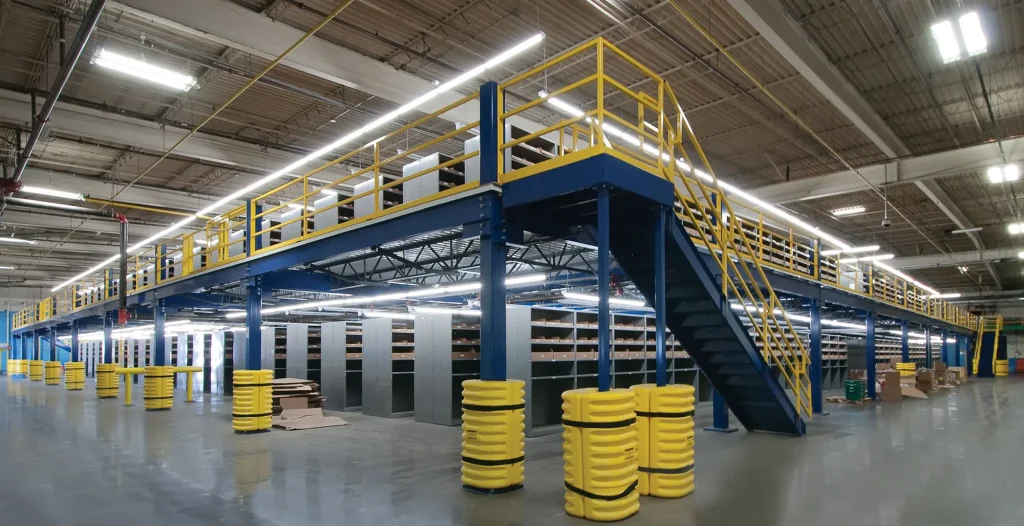
GSA Mezzanine Platform Storage System


Why Federal Warehouses Need Mezzanine Systems

Mezzanines are more than platforms; they are mission enablers. Here is why they have become one of the most cost-effective tools in government material handling:

Immediate space expansion: Add up to 100 percent more usable area within the same footprint.

Modular design: Freestanding steel structures that can be relocated, expanded, or reconfigured as missions change.

Rapid installation: Installed with minimal downtime and no permanent structural modifications.

Compliance: Designed to meet IBC, OSHA, and FAR requirements while qualifying under GSA Schedule 47QSWA23D0069.

Whether it is a DLA depot, a National Guard facility, or an embassy warehouse abroad, a mezzanine provides scalable, compliant storage space where traditional construction is not feasible.


Real-World Applications

Federal buyers rely on mezzanines for far more than storage. Common applications include:

Administrative platforms: Secure elevated offices for supervisors or logistics staff.

Maintenance decks: Overhead work platforms for inspection and repair.

High-density storage tiers: Multi-level racking for parts, supplies, or 463L pallets.

Integration with other systems: Supporting TA-50 lockers, wire partitions, or automated storage systems.

In one recent project, AW-Systems provided a mezzanine solution for a regional DLA maintenance depot that increased usable storage capacity by more than thirty percent, eliminating the need for building expansion and allowing the facility to remain fully operational during installation.


Cost vs. Construction: The Mezzanine Advantage

A common question from procurement officers is simple: How much does a mezzanine floor cost?

While every project is unique, mezzanines typically cost a fraction of new construction – often 40 to 60 percent less per square foot. And unlike permanent building expansion, mezzanines qualify as equipment rather than real property, which can simplify funding and approval.

Beyond cost savings, the installation timeline is measured in weeks, not months, with most systems operational in under sixty days.


The AW-Systems Turnkey Approach

Many vendors can sell a mezzanine. Few can deliver it as part of a complete, compliant system. AW-Systems manages every phase:

Design: Custom layouts based on load requirements, workflow, and code compliance.

Integration: Lighting, sprinklers, and access systems coordinated through a single team.

Installation: Managed by AWS field specialists experienced in secure federal environments.

Compliance: Documentation and inspections aligned with GSA, FAR, and agency standards.

One Project. One Vendor. That is how we eliminate risk, reduce delays, and ensure your mezzanine system performs as intended from day one.


Procurement Confidence

Federal buyers can purchase AWS mezzanine systems directly through our GSA Schedule Contract, backed by full SAM registration, SBA accreditation, and BBB certification. For contracting officers, that means a single, compliant vendor who delivers:

  • Predictable costs and timelines
  • Turnkey integration
  • Proven federal performance


Turn Vertical Space into Readiness

Every square foot counts in government logistics. A mezzanine system does more than add space; it adds capability. From DLA depots to embassy storage facilities, AW-Systems helps agencies expand capacity, improve workflow, and meet mission demands without expanding the building itself.

One Project. One Vendor. It is how we turn unused space into readiness.

Ready to design your mezzanine solution?
Contact a GSA mezzanine expert today, your trusted GSA-approved partner for turnkey federal mezzanine systems and material handling solutions.

Wire Partitions & Storage Cages: GSA-Approved Security for Sensitive Assets

Securing the Mission

Whether it’s a military depot, federal warehouse, or overseas embassy, every government facility has one shared priority: control. Who has access? What’s being stored? How is it protected?

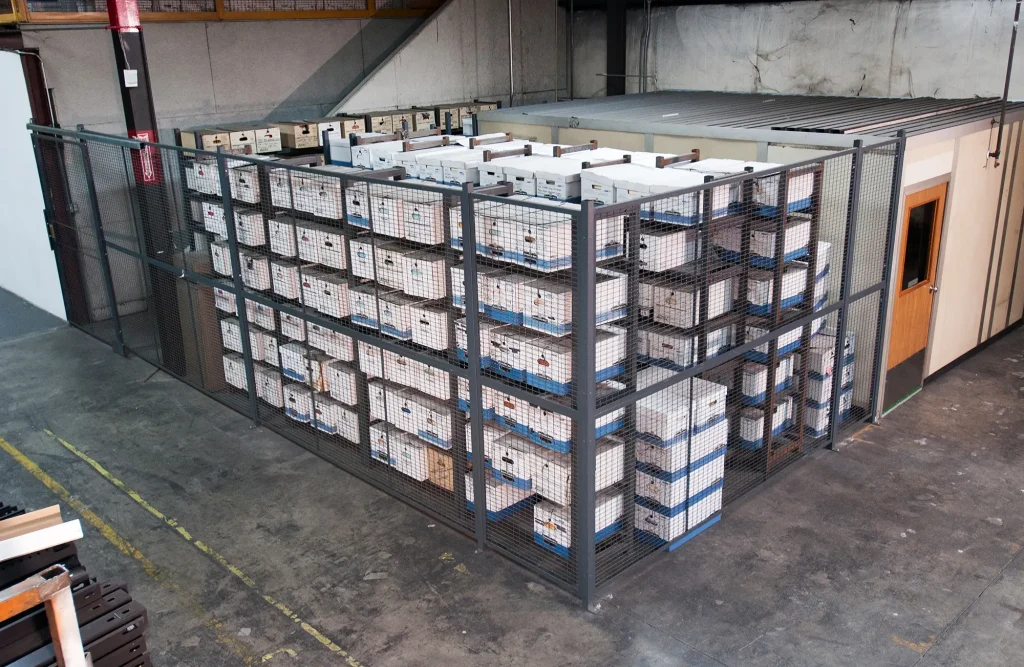
Wire partitions and storage cages may not look high-tech, but they are a cornerstone of federal security infrastructure. From weapons and sensitive equipment to records and restricted materials, these systems ensure that only the right people reach the right assets – safely and compliantly.

At AW-Systems, we design and deliver GSA-approved wire partition and storage cage systems that meet strict federal standards for security, durability, and compliance – all under one contract.

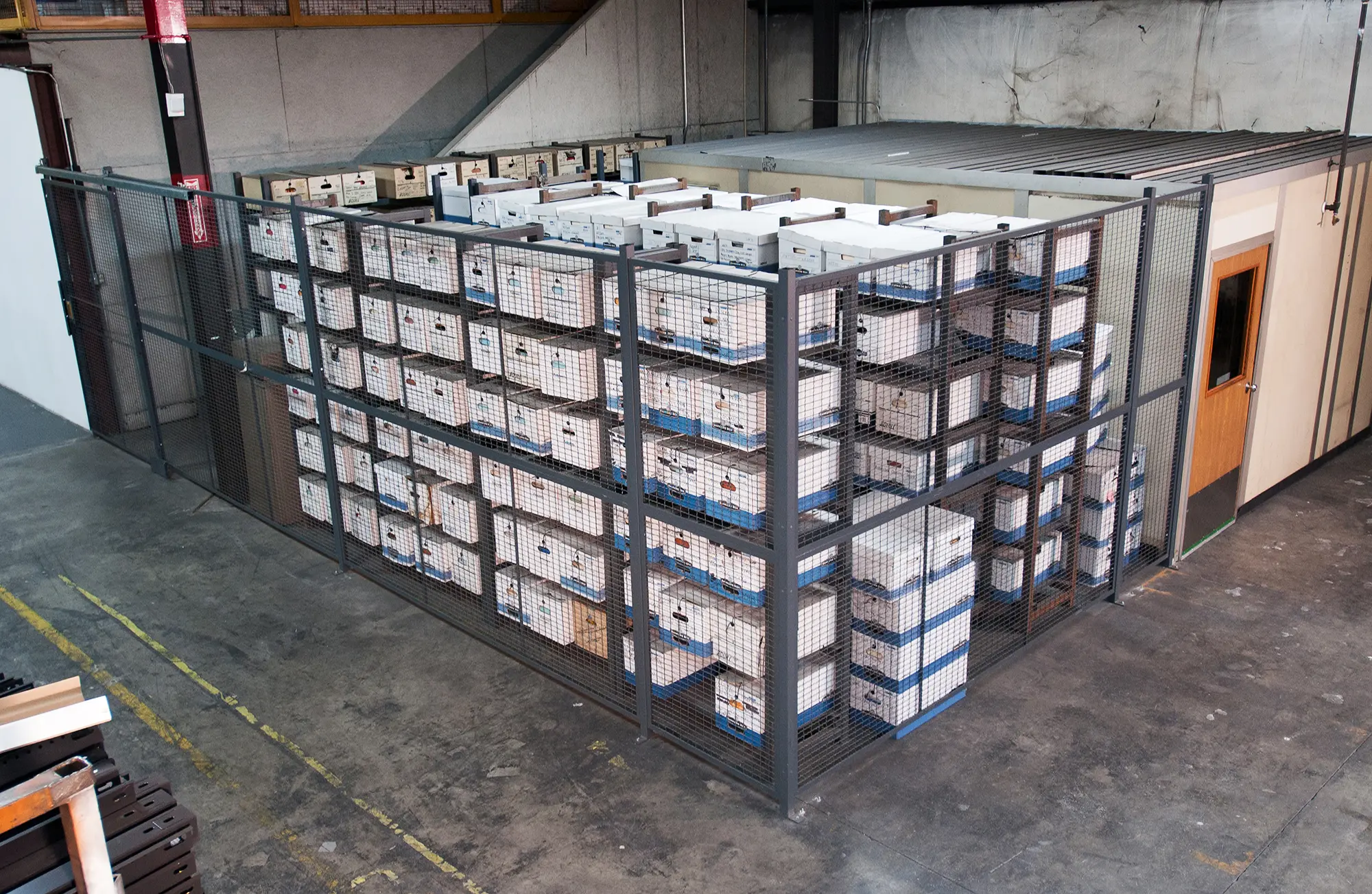
Secured Access Wire Partition Enclosures - GSA Contractor


Why Secure Storage Matters

Federal facilities aren’t like commercial warehouses. They handle classified materials, mission-critical supplies, and property that often falls under strict accountability programs.

A simple chain-link fence won’t do. Federal requirements call for:

  • Controlled access: Keyed, badge, or combination lock entry systems integrated with facility security.
  • Durable construction: Welded-wire mesh and heavy-gauge steel that resist tampering and long-term wear.
  • Visibility with protection: Clear sightlines for monitoring while maintaining physical security.
  • Compliance: Adherence to GSA, FAR, and agency-specific specifications.

Wire partitions and storage cages strike the perfect balance — strong, modular, and configurable for any mission.


DLA, DoS, and the Scale of Secure Storage

The Defense Logistics Agency (DLA) manages one of the largest inventories in the world, supplying every branch of the military. At this scale, secure segregation of materials isn’t optional – it’s essential.

Similarly, U.S. embassies and consulates abroad require controlled areas for sensitive equipment, communications gear, and maintenance supplies – all while meeting Buy American Act and GSA requirements.

AW-Systems has supported both DLA and DoS environments with GSA-approved wire partition systems designed for rapid deployment, compliance, and accountability.


The AW-Systems Turnkey Advantage

A secure storage cage is rarely a stand-alone project. It might require a new mezzanine level, lighting, fire suppression tie-ins, or concrete reinforcement. Most vendors sell the cage and leave the rest to someone else.

That’s where AW-Systems is different.
Our One Project. One Vendor. model covers:

Systems: wire partitions, storage cages, TA-50 lockers, pallet racking, mezzanines.

Integration: lighting, fire suppression, secure access hardware, and electrical coordination.

Management: one contract, one point of accountability, full compliance.

This approach reduces risk for contracting officers and ensures the facility is secure, operational, and inspection-ready from day one.


Procurement Confidence

When federal buyers choose AW-Systems, they know every box is checked:

  • GSA Contract Holder: Simplified procurement with pre-approved pricing and terms.
  • SAM Registered & SBA Accredited: Verified small business, ready for federal contracting.
  • BBB Accredited: Trusted for transparency and performance.
  • DLA Experience: Proven success supporting the nation’s largest logistics agency.

For contracting officers, that means fewer delays, faster approvals, and complete confidence in compliance.


Real-World Application

Embassy Secure Rooms

At one overseas embassy, AWS provided wire partitions to create segregated, controlled storage rooms for maintenance equipment and diplomatic supplies. The project included lighting integration, heavy-duty locking systems, and concrete reinforcement – all delivered under a single GSA-compliant contract.

The result: full compliance, zero schedule slip, and a single accountable vendor.


Why “One Project. One Vendor.”

Saves Time and Risk

Fragmented projects lead to overlapping contractors, communication breakdowns, and cost overruns. AWS eliminates that by managing the full scope – design, site prep, installation, and integration.

The result is faster completion, reduced administrative burden, and a secure, compliant system that works from day one.


Securing the Mission, Simplifying the Process

From DLA depots to embassy secure rooms, AW-Systems provides turnkey, GSA-approved wire partition and storage cage systems that protect sensitive assets and simplify procurement.

One Project. One Vendor. It’s how we build security, compliance, and confidence – all under one contract.

Ready to secure your next facility?
Contact a GSA Secured Storage Expert today – your trusted GSA-approved partner for wire partitions, storage cages, and complete federal storage systems.

463L Pallet Racks: Supporting the Air Force’s Global Supply Chain

463L Pallet Rack: The Backbone of Military Airlift

Every mission that takes to the sky starts long before the aircraft leaves the ground. Behind each load of equipment, rations, or medical supplies is a simple but essential foundation – the 463L pallet. These aluminum pallets are the lifeblood of the U.S. Air Force’s airlift operations, moving millions of tons of cargo around the world every year.

But while the pallet may travel halfway around the globe, it begins and ends in storage — and that’s where AW-Systems 463L air cargo pallet racks come in. Purpose-built for the demands of the Department of Defense and the Defense Logistics Agency (DLA), our racks keep the mission organized, efficient, and ready to deploy at a moment’s notice.

463L Pallet Rack - Military Air Cargo Rack


Why 463L Pallets Require Specialized Storage

The 463L pallet isn’t just a piece of aluminum; it’s a standardized logistics platform with precise dimensions, weight capacities, and tie-down points. Storing and staging them safely requires more than traditional warehouse racking.

Purpose-built 463L pallet racks provide:

  • Dimensional accuracy: Proper clearance for the 463L’s 108×88-inch footprint.
  • Load strength: Heavy-duty beams rated for the pallet’s 10,000-lb capacity.
  • Accessibility: Open-face designs for forklifts and tugs to maneuver quickly.
  • Durability: Powder-coated steel engineered for high-cycle, military environments.
  • Organization: Segregation of serviceable and non-serviceable pallets, streamlining DLA inventory control.

When storage is improvised or undersized, pallets warp, jam, or become safety hazards. The right rack not only protects assets – it protects readiness.


DLA and the Global Airlift Mission

As the world’s largest logistics agency, DLA manages over six million items and supplies every branch of the U.S. military. Within that network, the 463L pallet is the common denominator – connecting depots, air bases, and forward operations.

For DLA personnel and Air Force logistics teams, efficient pallet storage means faster turnaround times, fewer damaged pallets, and higher operational reliability. That’s why AW-Systems has long supported DLA and Air Force bases with GSA-approved 463L pallet racking systems designed to meet both mission and compliance standards.

463L Pallet Rack with 463L Pallets in Air Force Facility


The AW-Systems Difference

A turnkey approach to military storage solutions.

Most vendors will sell a rack and stop there. But at AW-Systems, we know the pallet system is only one piece of a much larger puzzle. Our turnkey approach covers everything needed to make it work:

  • Systems: 463L pallet racks, mezzanines, wire partitions, and material lifts.
  • Integration: Concrete pads, lighting, fire suppression tie-ins, and secure enclosures.
  • Management: A single accountable partner from design through installation.

This One Project. One Vendor. philosophy reduces contracting complexity, saves time, and ensures mission-critical systems are operational faster.


Procurement Confidence

Simple purchase process for Federal Agencies.

Federal buyers can source 463L pallet racks directly through AW-Systems with complete confidence:

  • GSA Contract Holder: Simplified acquisition under Schedule 47QSWA23D0069.
  • SAM Registered & SBA Accredited: Fully compliant small business in good standing.
  • BBB Accredited: Recognized for transparency and trust.
  • Trusted by DLA: Our largest historical customer – proof that we deliver where it matters most.

This combination of compliance and credibility means contracting officers can move quickly, knowing every requirement is covered from specification to installation.


Real-World Application

From Depot to Deployment

At major Air Force logistics centers, 463L pallets are constantly rotating – loaded, staged, shipped, and returned. In one recent multi-system project, AW-Systems provided not just racking but also the integrated infrastructure needed for high-volume operations: reinforced flooring, overhead lighting, and secure wire partitions separating pallet storage from maintenance zones.

Result: faster pallet turnaround, safer handling, and measurable improvement in operational readiness – all delivered under a single, GSA-compliant contract.


Why “One Project. One Vendor.” Works for the Air Force

A 463L pallet might look simple, but its role is anything but. Every delay or equipment failure reverberates through the global supply chain. AW-Systems ensures that from the moment a pallet returns to the rack until it’s reloaded for deployment, the process is safe, efficient, and fully compliant.

With one vendor handling the entire scope – system, site, and support – agencies eliminate delays, disputes, and risk.


AW Systems: Ready for the Next Lift

For more than two decades, AW-Systems has supported the U.S. Air Force and DLA with material handling systems that keep America’s airlift mission moving. From design to installation, we deliver complete, turnkey 463L pallet racking solutions engineered for reliability, compliance, and speed.

One Project. One Vendor. It’s not just our tagline – it’s our commitment to the mission.

Ready to discuss your 463L storage requirements?
Contact a 463L Pallet Rack Expert today — your trusted GSA-approved partner for turnkey military storage and material handling systems.

GSA Industrial Equipment Procurement: Why Federal Agencies Need a Single Trusted Partner

What you need for “One Project” is “One Vendor”.

Federal agencies face unique challenges when it comes to material handling and storage projects. What looks simple on paper – installing a mezzanine, outfitting a facility with TA-50 gear lockers, or securing a wire partitioned room – can quickly spiral into delays and risk when agencies are forced to juggle multiple vendors.

That’s why AW-Systems was founded on a simple principle: “One Project. One Vendor“.

GSA Mezzanine Platform Storage System


The Problem With “System-Only” Vendors

Multiple vendors negatively impact mission readiness.

On the surface, buying a new storage or material handling system sounds straightforward. An agency identifies a need – a mezzanine system, a row of TA-50 lockers, or a secure partition – and calls a vendor. Too often, that vendor will happily sell the system… and then walk away.

What happens next? The agency is left scrambling to find contractors for concrete work, lighting, fire suppression tie-ins, or secure enclosures. Each contractor has their own schedule, their own priorities, and their own finger to point when something goes wrong. Projects that should take months can drag on for years.

For private companies, that’s frustrating. For federal agencies, it can impact mission readiness.


Why Federal Projects Demand Turnkey Solutions

One main vendor reduces risk and confusion.

Unlike commercial buyers, government agencies face additional layers of complexity:

  • Procurement compliance: Every purchase must align with FAR requirements, the Buy American Act, GSA schedules, and other regulations depending on agency and location.
  • Security and oversight: Federal facilities often house sensitive or even classified materials that demand secure, compliant infrastructure.
  • Overseas operations: U.S. embassies and bases abroad bring unique challenges – international contractors, foreign regulations, and supply chain delays that can derail projects if not carefully managed.

When multiple vendors are involved, these layers don’t just create headaches. They create risk.


The AW-Systems Difference

A turnkey approach to military storage solutions.

Since the 1990s, AW-Systems has operated on one principle: One Project. One Vendor.

That means we take responsibility for the system and the ancillary work that makes it function:

  • Systems: mezzanine systems, wire partitions, pallet racking, TA-50 gear lockers, 463L pallet racks, automated storage systems.
  • Integration: concrete pads, fire suppression tie-ins, lighting, and secure enclosures.
  • Management: a single point of accountability from design to implementation.

With AW-Systems, you don’t need three contractors. You just need one partner.


Procurement Confidence Built In

Simple process for Federal Agencies.

Agencies choose AW-Systems because we combine turnkey delivery with federal compliance:

  • GSA Schedule Contract: Purchase directly without multiple quotes.
  • SAM Registered & SBA Accredited: Confidence that you’re working with a compliant, proven partner.
  • Trusted by DLA: Our largest customer historically, and a benchmark for logistics excellence.
  • BBB Accredited: Recognized for transparency and trust.

This isn’t about marketing slogans. It’s about reducing risk for contracting officers and project managers who need results, not excuses.


Case in Point: Embassy Installations

One proposal, one contract, one vendor.

Consider an overseas embassy project. A competitor might sell lockers or partitions and expect the agency to source local contractors for foundations, lighting, and suppression. That introduces delays, compliance risks, and accountability gaps.

AW-Systems bids the entire scope – lockers plus concrete, partitions plus security rooms, mezzanines plus fire suppression tie-ins. The agency receives one proposal, one GSA-compliant contract, and one vendor accountable for success.


Why “One Project. One Vendor” Saves More Than Money

Predictable timelines with streamlined procurement.

Time lost to delays and disputes costs more than dollars. It costs readiness. A system sitting in crates while agencies chase contractors is a system that isn’t supporting the mission.

With AW-Systems, agencies gain:

  • Predictable timelines
  • Streamlined procurement
  • Reduced risk
  • Proven results


AW Systems: The Partner Federal Agencies Can Trust

We are a turnkey partner delivering complete solutions.

Since the 1990s, AW-Systems has been more than a system seller. We are a turnkey partner delivering complete solutions to the U.S. government’s most demanding facilities – from DLA depots to overseas embassies.

One Project. One Vendor. It’s not just our tagline. It’s the reason federal agencies trust us to deliver – on time, on budget, and to spec.

Ready to simplify your next federal project? Contact AW-Systems today – the trusted GSA-approved partner for turnkey storage and material handling solutions.

TA-50 Gear Lockers: The Standard for Military and Law Enforcement Storage

Why Military and Law Enforcement Tactical Gear Storage is Mission-Critical

Every day, America’s warfighters depend on their gear being exactly where it should be – secure, organized, and ready for deployment. From helmets and flak vests to weapons, rucksacks, and chemical suits, mission readiness begins with the simplest of questions: “Where’s my gear?”

That’s why storage isn’t just an afterthought. It’s a frontline requirement. And for the U.S. military and law enforcement, TA-50 Gear Lockers are the standard solution for keeping personal and unit equipment safe, accessible, and deployment-ready.

TA-50 Gear Lockers for Military Grade Storage - GSA Contractor


TA-50 Gear Lockers

Built for tactical readiness, not just storage.

Unlike commercial lockers or ad-hoc shelving, TA-50 Gear Lockers are designed for the realities of military and tactical environments. Crafted to secure heavy, mission-critical equipment, these lockers are more than storage. They’re readiness enablers, ensuring gear is organized, protected, and instantly accessible.

And because they’re offered on the GSA MAS (Multiple Award Schedule), military, law enforcement, and government agencies can source them quickly and cost-effectively.

  • Heavy-Duty Construction: Heavy-gauge steel, welded construction, and ventilated mesh panels stand up to years of heavy use.
  • Customizable & Flexible : Configurable shelving, hanging rods, and compartments fit a wide range of gear and weapons.
  • Ventilation & Inspection: Perforated or mesh panels allow for natural airflow, preventing moisture buildup, extending the life of sensitive equipment. Allows visual inspection without opening the locker -streamlining checks while maintaining security.
  • Secure Locking Systems: Lockable designs provide controlled access without slowing down retrieval – ensuring compliance and preventing loss.
  • Standardization: Units across the country and overseas can maintain consistent storage practices, reducing confusion and improving accountability.

The result is more than “a place to put equipment.” It’s a system that supports discipline, accountability, and readiness.


A Benchmark of Excellence

DLA and the scale of U.S. logistics.

To understand the scale of this need, look at our client, the Defense Logistics Agency (DLA). As the largest logistics organization in the world, DLA manages millions of items across thousands of facilities for the Department of Defense and other federal agencies.

Gear lockers may seem like a small piece of that mission, but they’re critical. Every locker represents a soldier, airman, sailor, or marine who needs their equipment in order and ready to go. AW-Systems has supported DLA with material handling and storage systems for decades — and that experience informs every project we deliver.


Why a Proven Partner Matters

A turnkey approach to military storage solutions.

Here’s where AW-Systems is different. Many vendors will sell you a gear locker and stop there. But TA-50 lockers don’t exist in isolation. They need to be:

  • Installed in secure rooms or wire-partitioned enclosures.
  • Integrated into mezzanines or racking systems for optimal space usage.
  • Supported by concrete pads, lighting, or other site requirements.

Most vendors walk away from those “extras.” AW-Systems builds them in. That’s the essence of our philosophy: One Project. One Vendor.

When you source through AW-Systems, you get more than lockers – you get a complete, turnkey solution delivered by a GSA-approved partner who understands federal procurement.


Procurement Confidence

Procurement made simple for Federal Agencies.

Federal buyers face enough complexity. That’s why we keep the process simple by removing unnecessary barriers and aligning with the systems agencies already use.

With AW-Systems, purchasing TA-50 tactical gear lockers doesn’t require chasing down extra paperwork or waiting on competitive bid cycles. Instead, every step of the process is streamlined through established federal channels, giving you more time to focus on operational priorities.

  • GSA Schedule Contract: Purchase directly without multiple quotes.
  • SAM Registered & SBA Accredited: Confidence that you’re working with a compliant, proven partner.
  • Trusted by DLA: Our largest customer historically, and a benchmark for logistics excellence.

This framework ensures agencies gain access to the equipment they need quickly, while also meeting strict compliance standards. It’s procurement without red tape – clear, consistent, and federally approved. In other words: compliance, trust, and readiness are built in.


From the Barracks to the Field

Equipping America for any mission.

TA-50 gear lockers aren’t just storage – they’re part of America’s readiness infrastructure. Built from heavy-duty steel with reinforced construction and secure locking systems, they’re designed to keep mission gear safe, ventilated, and accessible when it’s needed most. From helmets and flak vests to weapons and chemical suits, these tactical gear lockers ensure accountability and readiness across every environment.

Whether you’re outfitting a National Guard armory, a federal training facility, or an overseas embassy security team, AW-Systems delivers the standard lockers that keep gear secure and warfighters ready.


One Project. One Vendor.

How our experience with the DLA ensures your success.

Since the 1990s, AW-Systems has been solving storage and material handling challenges for federal agencies worldwide. From gear lockers to full warehouse systems, our turnkey approach ensures every project is delivered on time, on budget, and to spec.

When America’s largest logistics agency (DLA) needed storage solutions, they turned to AW-Systems. Now, we’re ready to deliver for you.

Contact a GSA procurement specialist today.